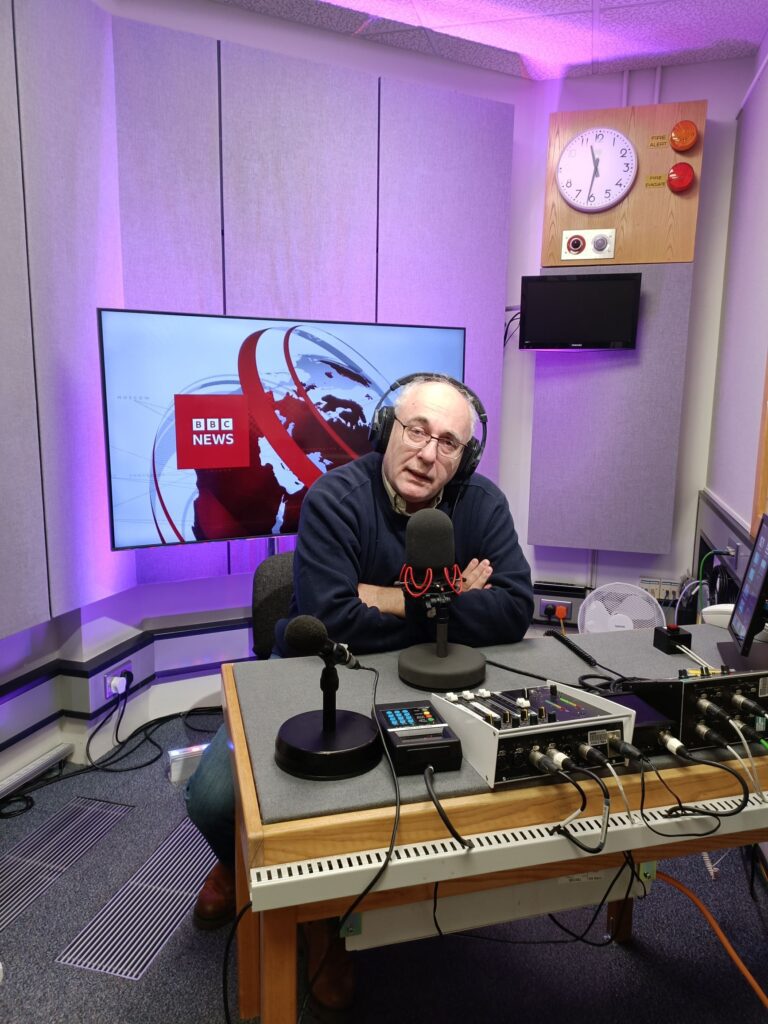
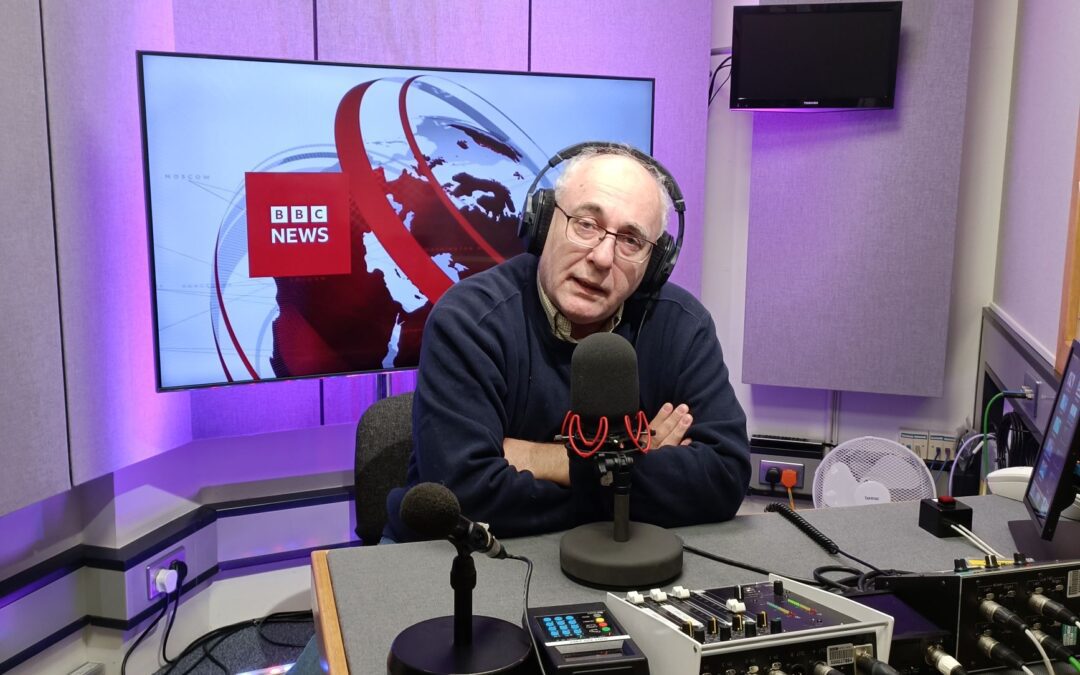
Last week, David Birch had a fun trip into Westminster when he was invited to take part in a live discussion on BBC Radio 4 about the digital pound.
BBC Radio 4: AntiSocial – Digital Pound
Hosted by BBC Radio 4’s, Adam Fleming, his show AntiSocial takes on a topic each week that’s generating conflict on social media, blogs, talk shows and phone-ins and helps you work out what the arguments are really about. Last week, the show was about what the impacts of the UK’s potential central bank digital currency, often referred to as the digital pound.
A clip from the European Central Bank, talking about progress towards an electronic version of the euro, has sparked concern on social media. Some suggest new central bank digital currencies (CBDCs) like this – including a digital pound under consideration in the UK – are designed to track our spending, or even restrict it. And there are fears it could lead to the elimination of cash altogether. But others say CBDCs are a recognition of cash’s decline, providing an alternative, and that central banks need to keep up with changing financial technologies. So what exactly is a digital pound, how would people use it, and how different is it to the way we pay for things now?
BBC synopsis of last week’s AntiSocial show
David Birch and Adam Fleming were joined by, Silkie Carlo, director of Big Brother Watch, a non-profit which works to ensure that those who fail to respect our privacy, undermine our online security, or fail to protect our personal data, are held to account. They campaign on behalf of the individual to ensure privacy and civil liberties are maintained in the digital age by government, public authorities and businesses. Founded in 2009, Big Brother Watch produces unique research exposing the misuse of powers, informative factsheets explaining complex laws, and briefings for parliament, the press and the public.
The heart of the discussion was around privacy. It’s a complicated issue (explored in detail, for example, here), but David summarised his position thus:
“Total surveillance is bad, total anonymity is bad, privacy is good but it should be civil society that sets the dial.”